INSIDE THE RAPTOR HOSPITAL
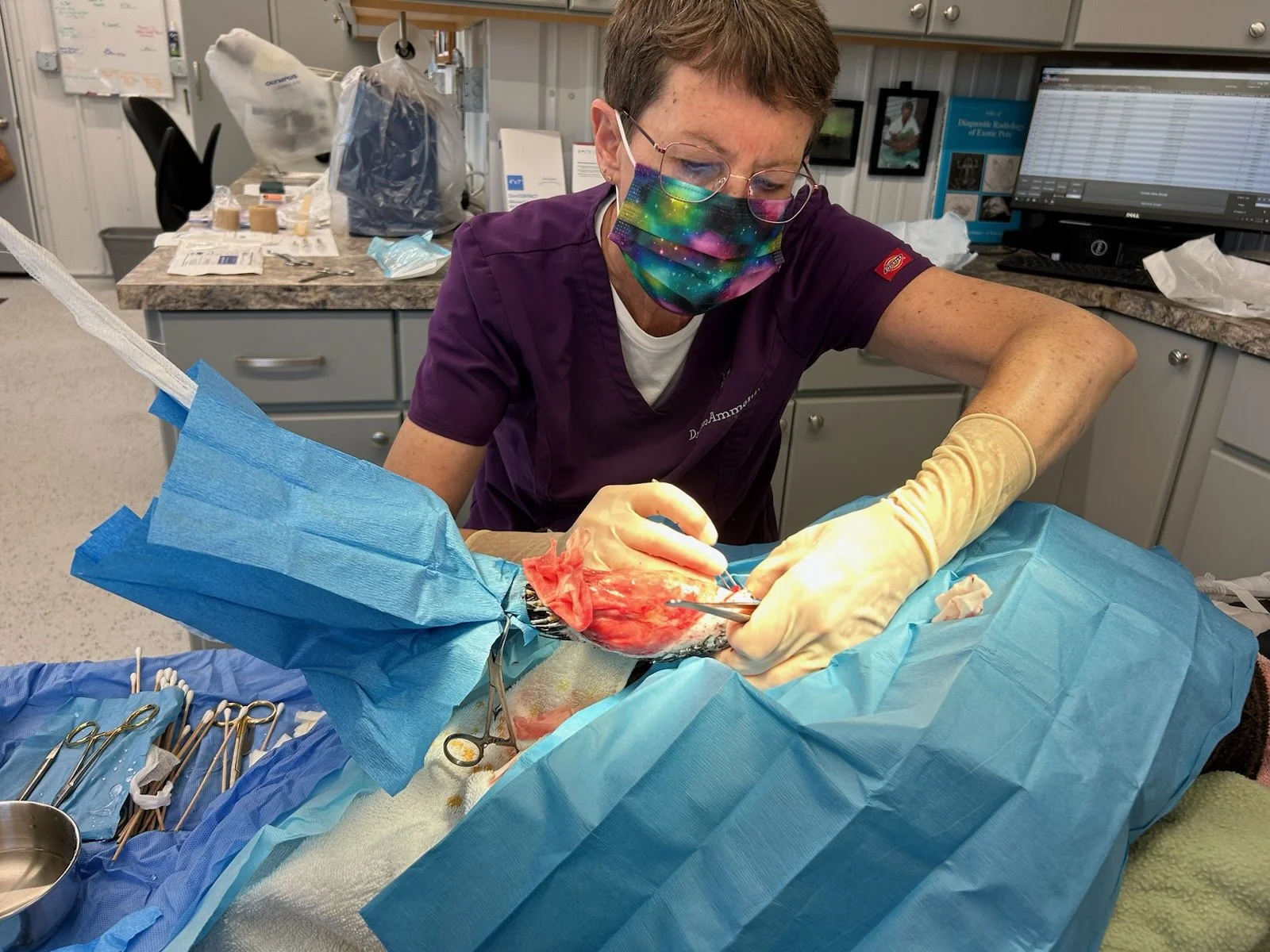
Wildlife rehabilitators are highly trained individuals dedicated to helping injured and orphaned wild animals recover and return to their natural lives. While rehabilitators are not required to be veterinarians, they work closely with licensed veterinarians whenever an animal requires advanced medical care.
What makes Winged Freedom unique is that our founder and permitted wildlife rehabilitator, Dr. Kim Ammann, is also an avian veterinarian with more than 25 years of experience treating birds. Every raptor admitted to our hospital receives a thorough veterinary examination upon arrival, and its medical care is overseen daily by our veterinary team. Many people are surprised to learn just how much advanced medical care takes place right here at our hospital—from diagnostic testing and treatment for poisoning to complex fracture repairs and other specialized procedures—all with the goal of giving each raptor the best possible chance to recover and return to the wild.
Veterinary Medicine at the Heart of Rehabilitation
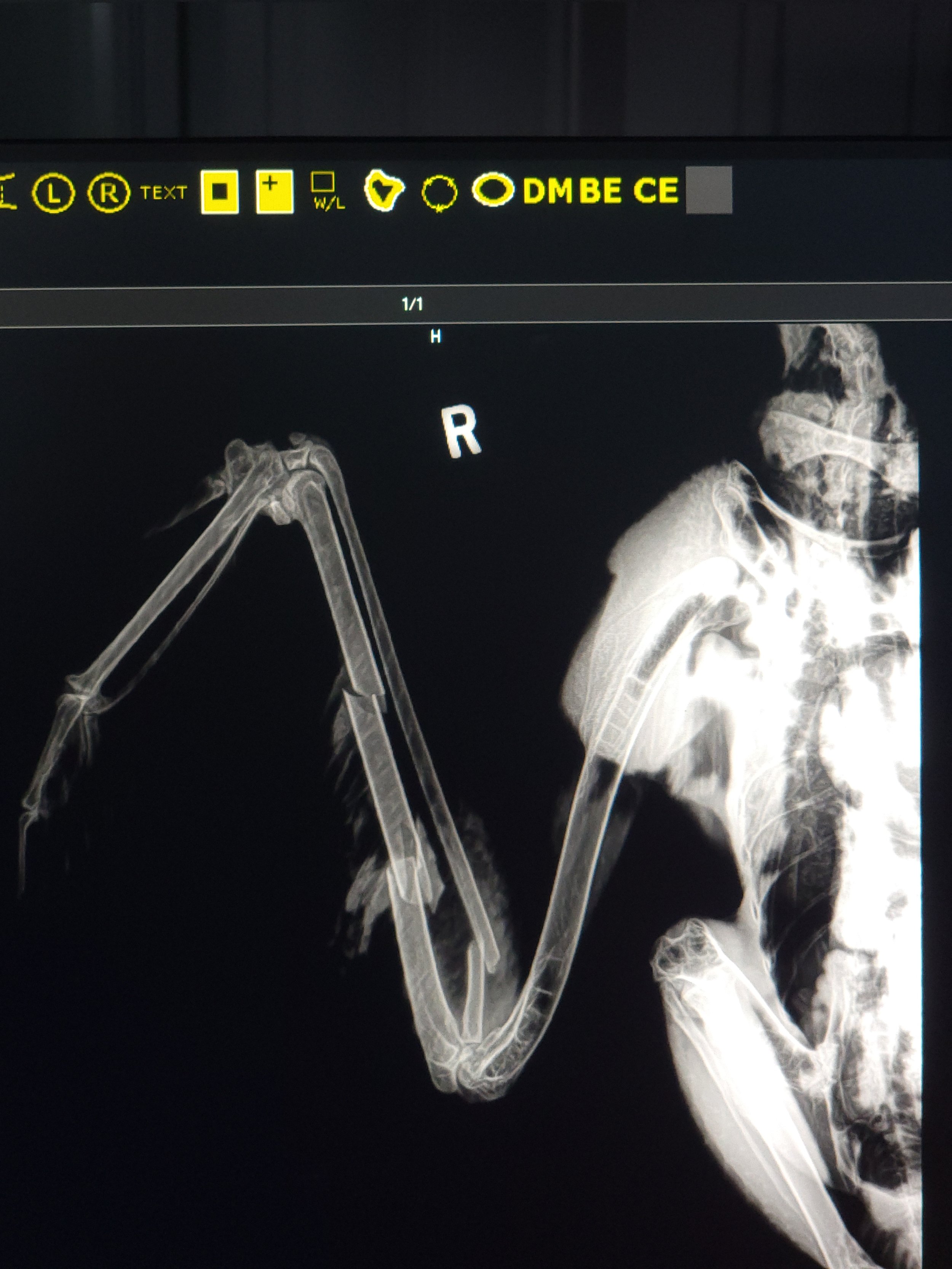
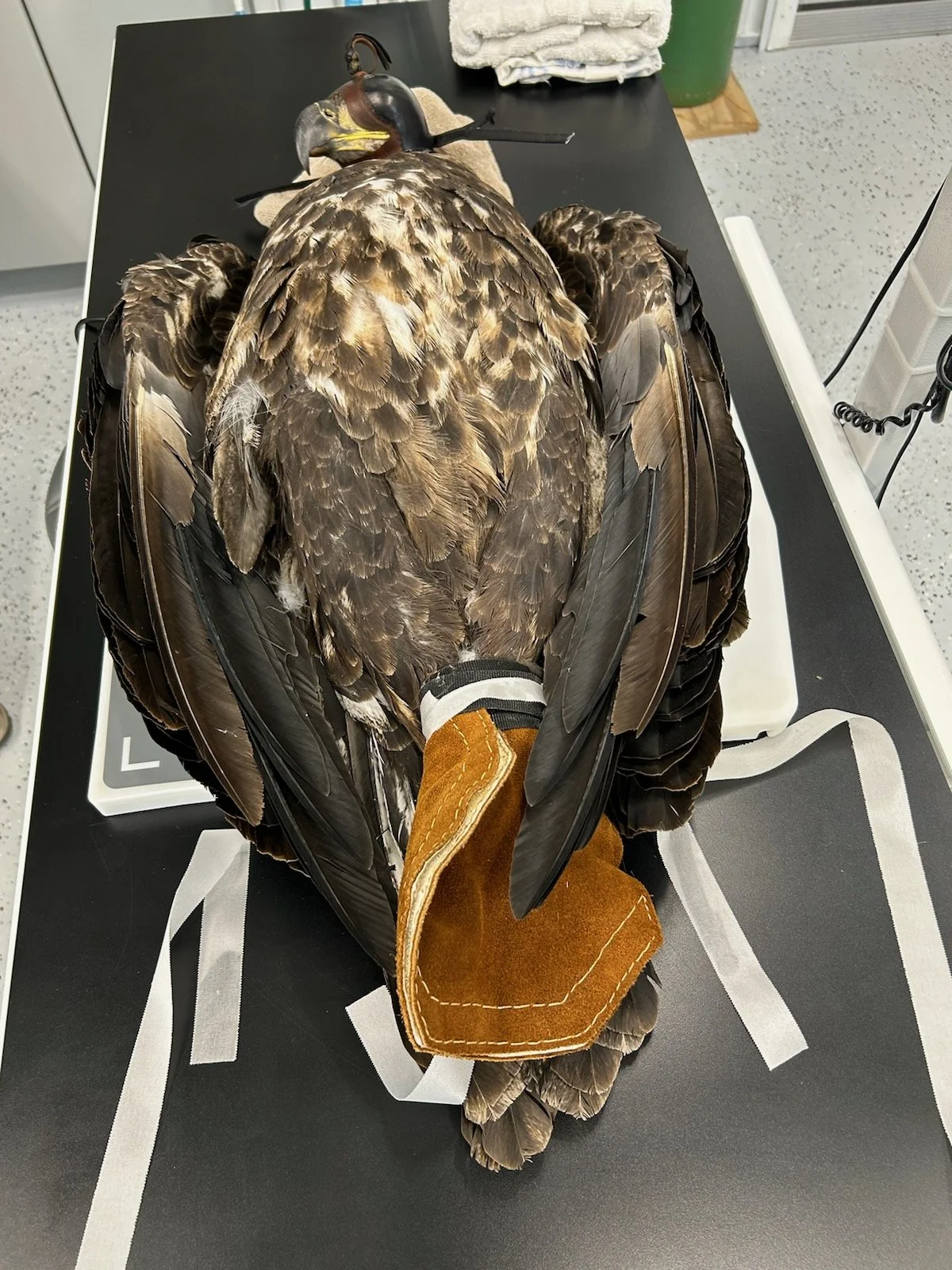
Diagnostic imaging is a critical part of the intake process. Most birds receive X-rays upon admission to identify fractures and internal injuries. These images are evaluated immediately, allowing our veterinarian to develop a customized surgical or medical treatment plan tailored to each patient’s needs.
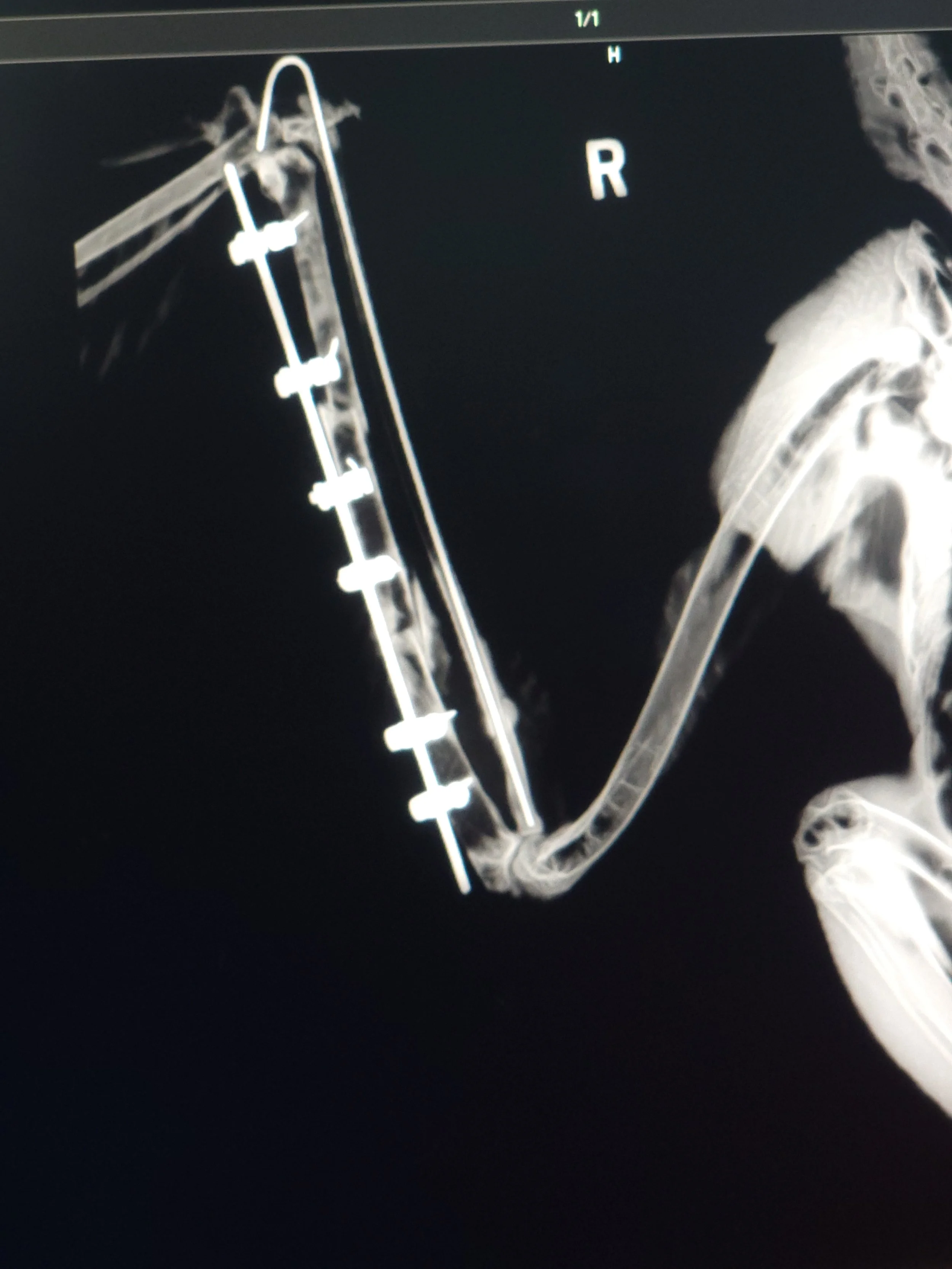
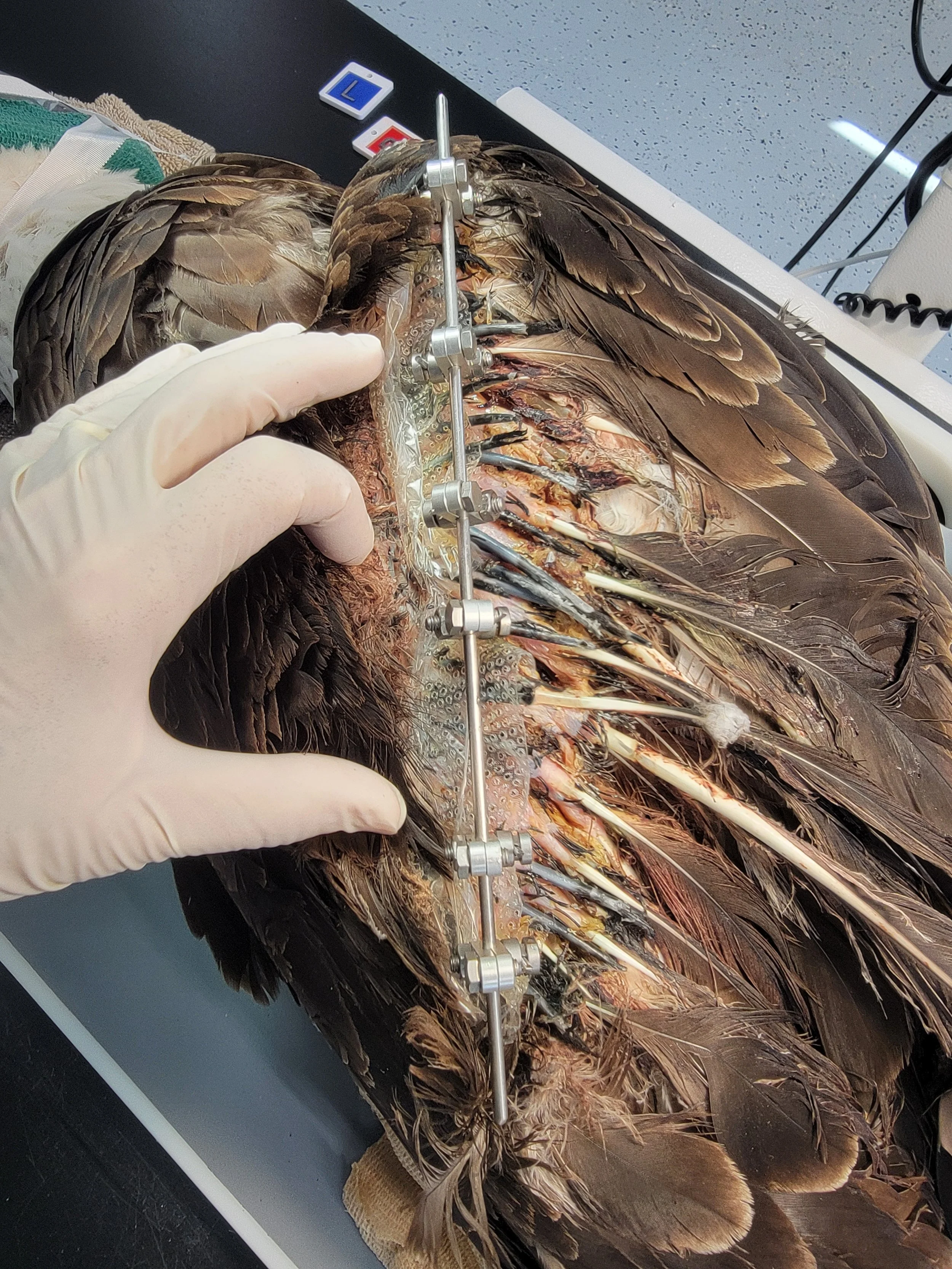
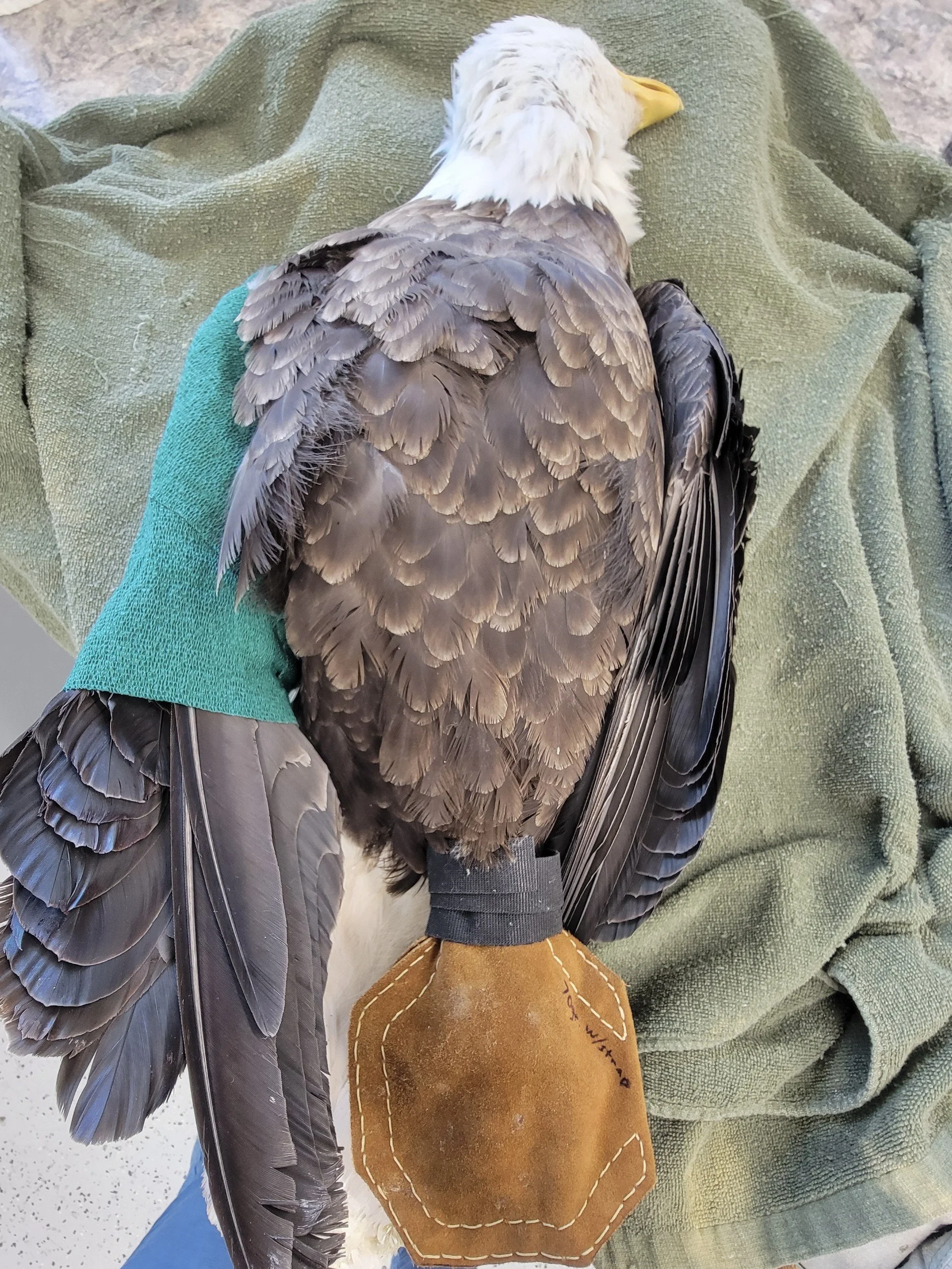
For example, this Bald Eagle was admitted with severe fractures of the radius and ulna in its wing, requiring a highly technical surgery to realign the broken bones and stabilize them with a medical device called an external fixator. Following surgery, the eagle’s wing was carefully wrapped, allowing it to rest and heal for several weeks before the surgical pins were removed and the gradual rehabilitation process began. Our large eagle reconditioning flyway then allowed the eagle to exercise and rebuild strength each day until it regained the flight ability and endurance needed for release back into the wild.
ADVANCED MEDICAL & SURGICAL CARE
TREATING TOXINS & TRAUMA
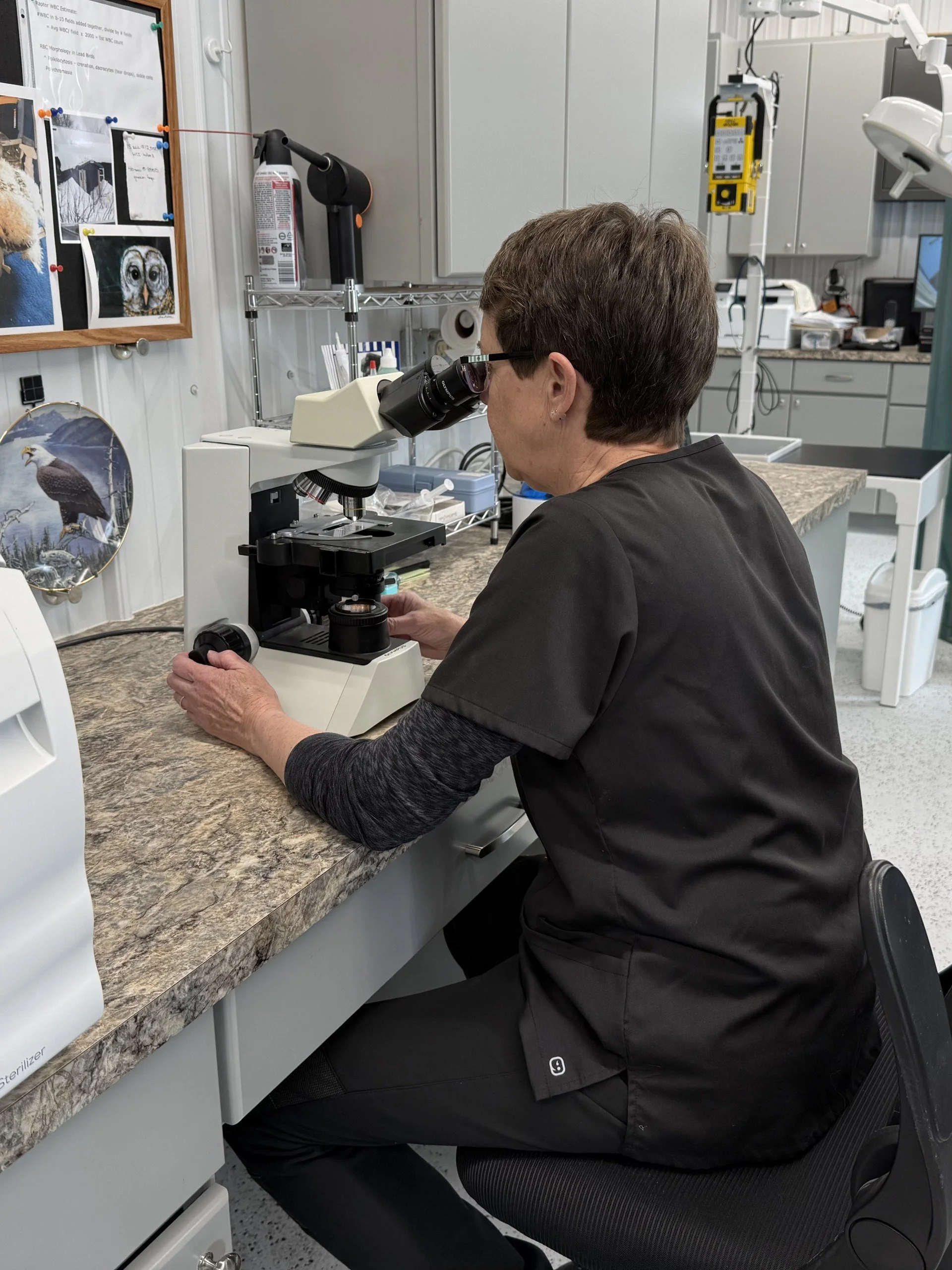
In-house diagnostic testing plays an important role in evaluating the health of the raptors in our care. Our veterinary team uses microscopy to evaluate blood and wound samples, identify parasites, and look for other microscopic clues that can help determine a bird’s condition. We can also perform blood chemistry panels to evaluate organ function and other important health indicators, as well as test for lead exposure—an important concern for many of the raptors we treat.
Our veterinary team treats a wide range of serious and complex injuries and illnesses, including:
Gunshot wounds: Including cases requiring bullet removal
Vehicle collisions: Severe injuries caused by impact with vehicles
Head trauma: Injuries affecting the brain and skull
Fractures: Single or multiple broken bones requiring specialized care
Impalements and embedded objects: Traumatic injuries involving foreign objects
Porcupine quills: Painful injuries requiring careful removal and treatment
Other traumatic injuries: Complex cases requiring advanced veterinary care
Infectious diseases: Including West Nile virus, highly pathogenic avian influenza, and trichomoniasis
Tour Our Raptor Hospital
KERE’S STORY
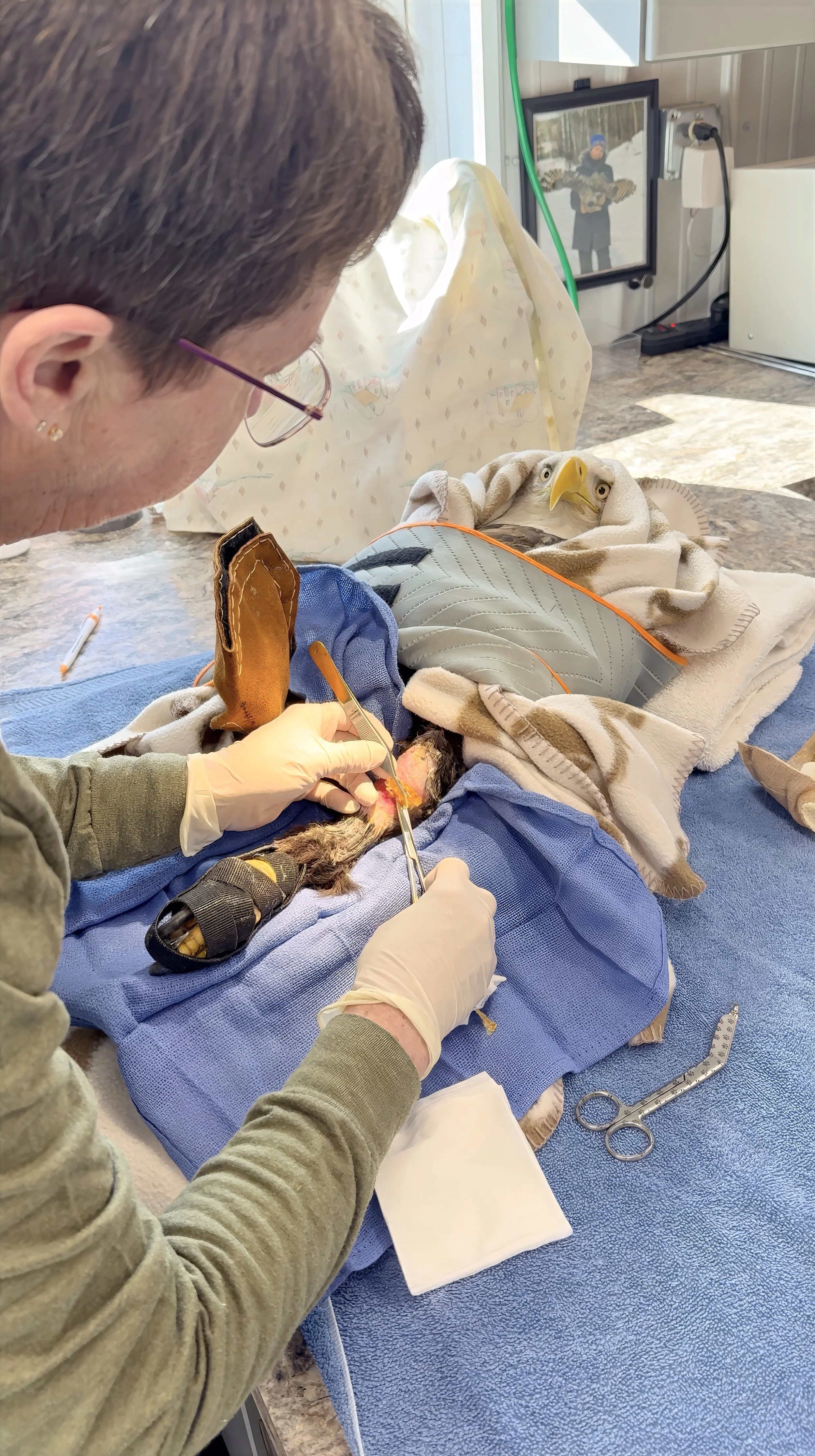
KERE’S STORY: INOVATION, RESILIANCE, AND HOPE
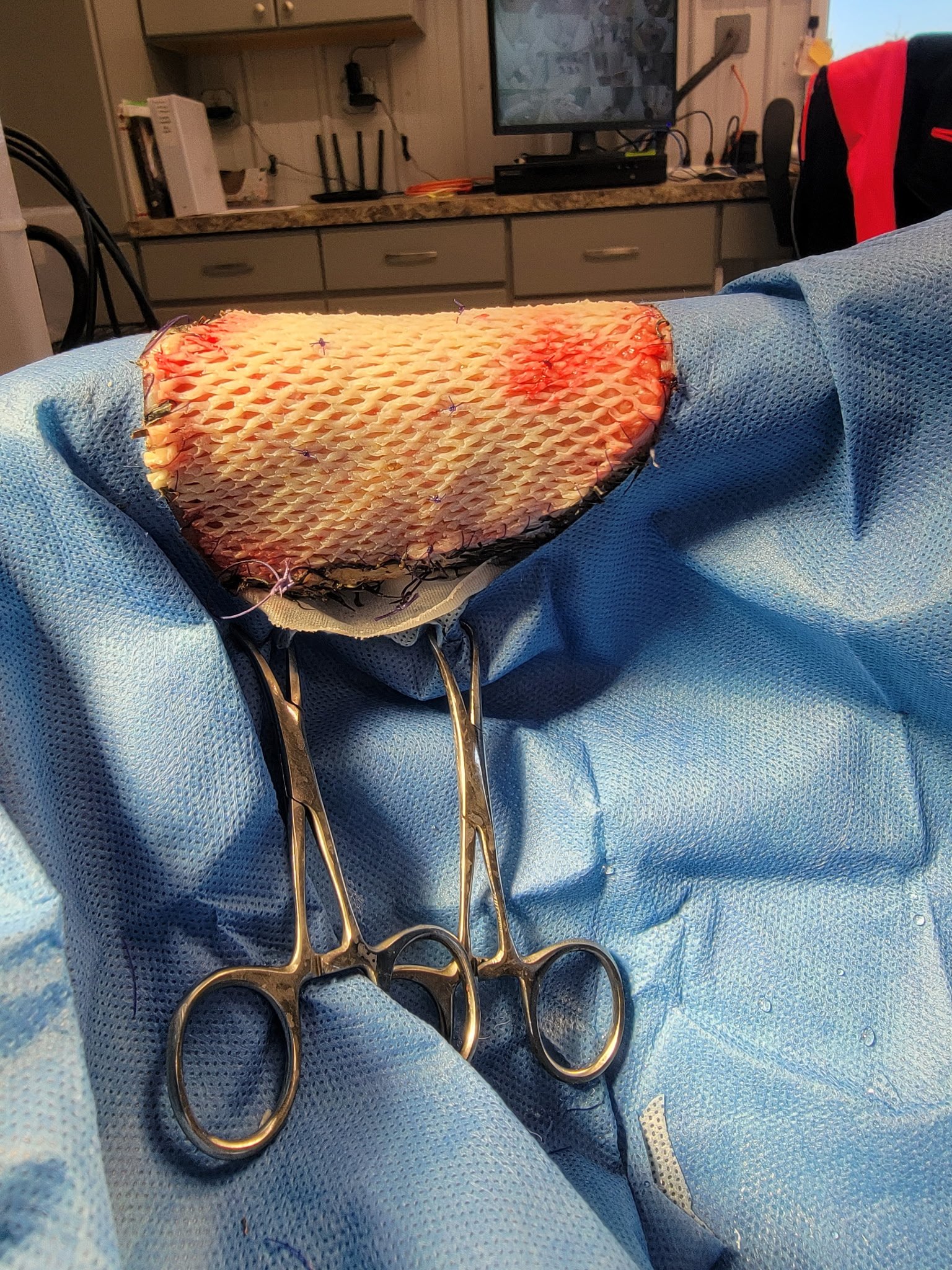
This is the true story of an extraordinary Bald Eagle named Kere, whose life was saved through the innovative use of cod fish skin to heal a devastating wound. This treatment marked the first known use of this product on an eagle, made possible through collaboration between Winged Freedom’s veterinarian, Dr. Kim Ammann, and a specialized skin graft company.
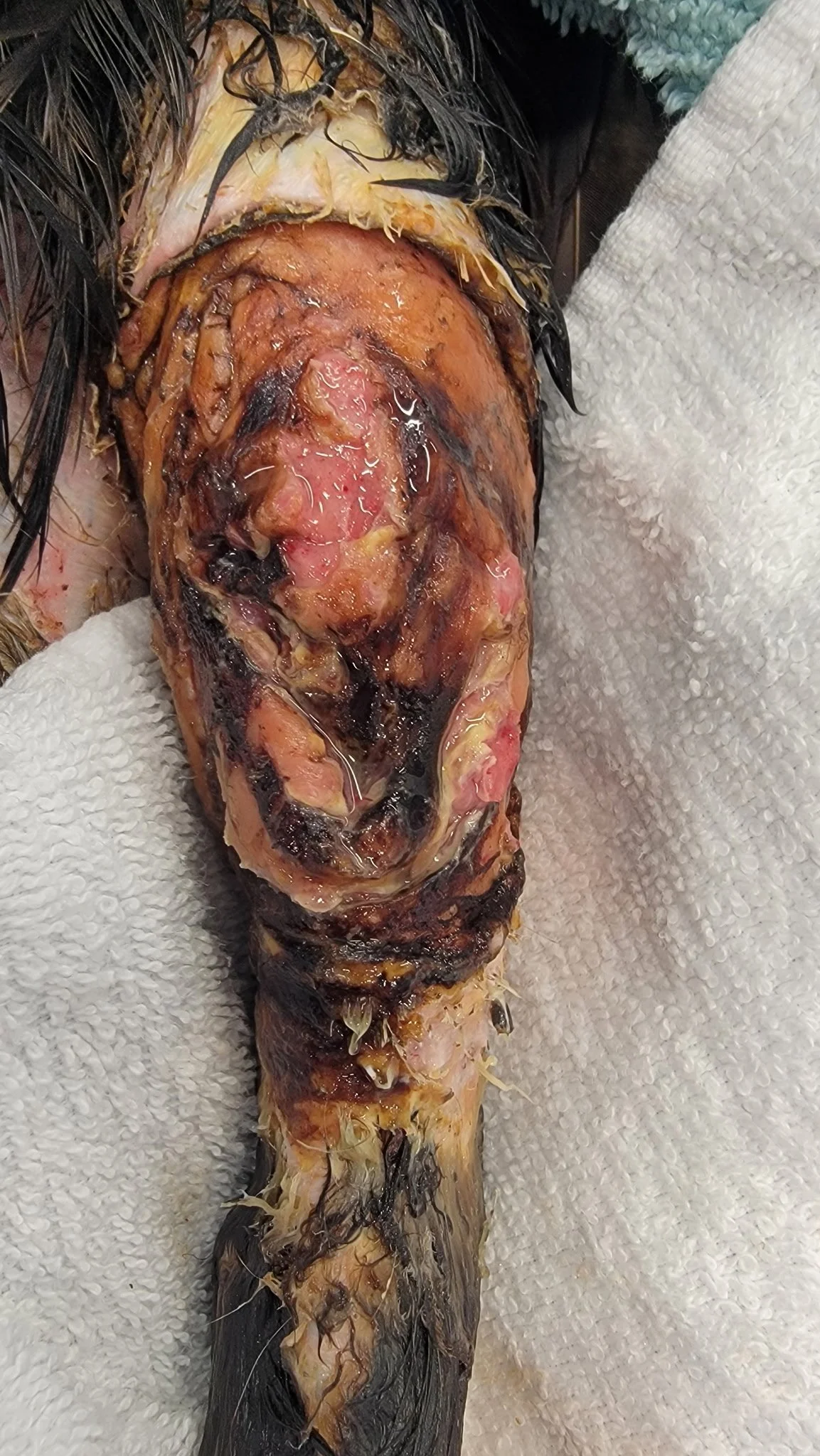
On September 2, 2024, an adult female Bald Eagle was found injured in Hayward, Wisconsin. When she arrived at Winged Freedom, she was severely underweight, dehydrated, and suffering from a large, deeply infected wound on one leg. The injury was so extensive that it was life-threatening, and her prognosis was grim. However, there was one critical sign of hope: despite the severity of the wound, Kere still had full use of her foot. All of her toes were functional, giving her a chance at recovery.
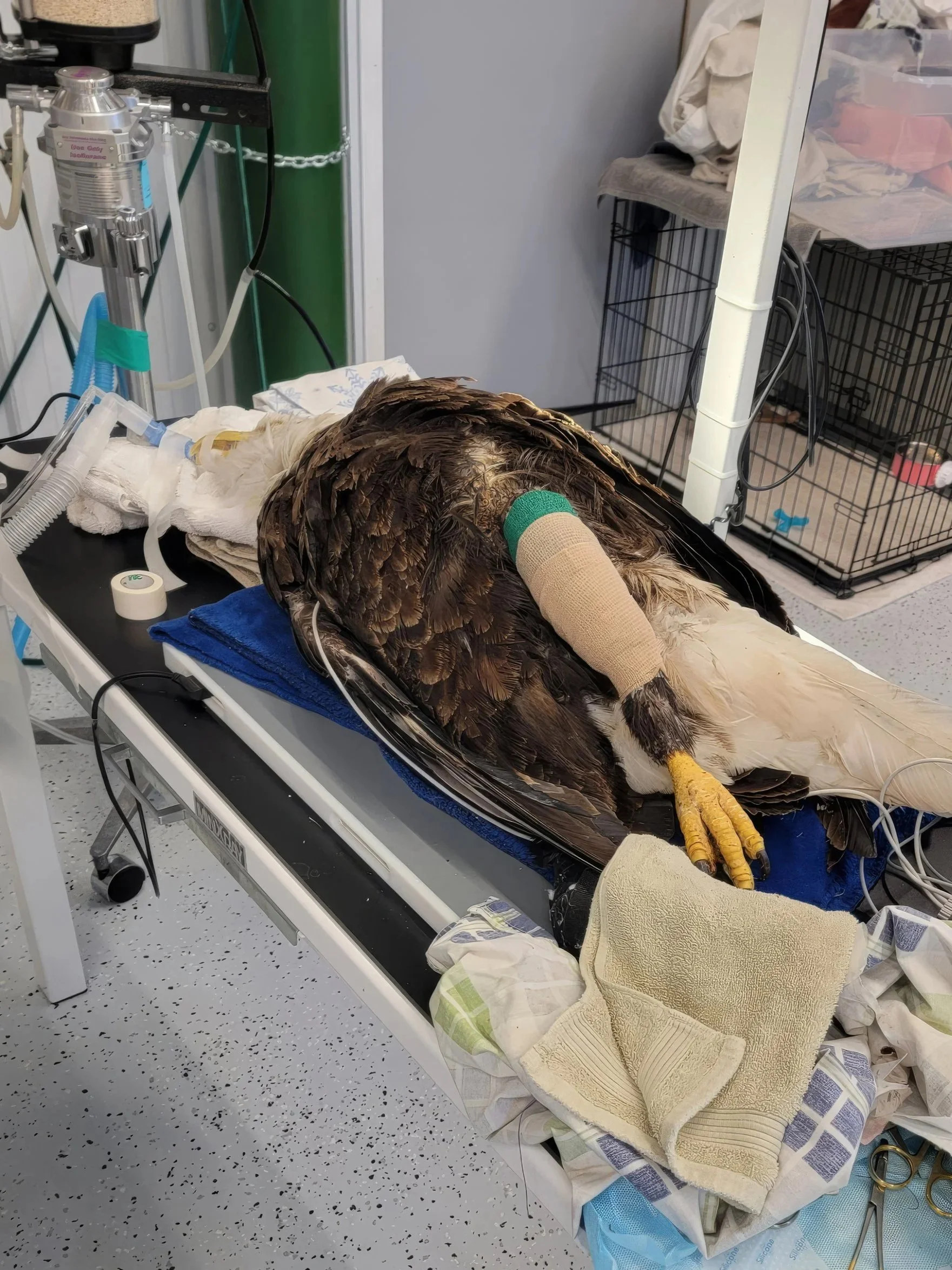
For the next three weeks, the wound was carefully unbandaged, treated, and rebandaged every day to bring the infection under control. Because the injury was too large to be closed using Kere’s own skin, alternative treatment options were explored. That search led Dr. Ammann to Kerecis, a company based in Iceland that repurposes fish skin from the cod industry into medical-grade skin grafts. This product has been successfully used in human medicine to treat extensive wounds, burns, and surgical skin loss by dramatically improving healing time.
Dr. Ammann and Kerecis collaborated to create a treatment plan for Kere that included multiple applications of the cod skin graft material. Slowly but remarkably, the wound began to heal. Over the following months, the damaged area shrank as new skin filled in at an astonishing rate. After five months, the once-open wound had fully closed, leaving only a small scar—and even a few new feathers—on her leg.
Using fish skin to save a fish-eating bird may sound surprising, and it truly was remarkable. But according to Dr. Ammann, the most extraordinary part of Kere’s story was Kere herself. She endured five months of captivity in a windowless room, daily treatments, and the loss of an entire winter in the wild with extraordinary calm and resilience. She never removed her bandage and tolerated every treatment with quiet acceptance. As long as she could watch, she would lie on her back while Dr. Ammann cleaned and rebandaged her wound—no struggling, no biting, and no resistance.
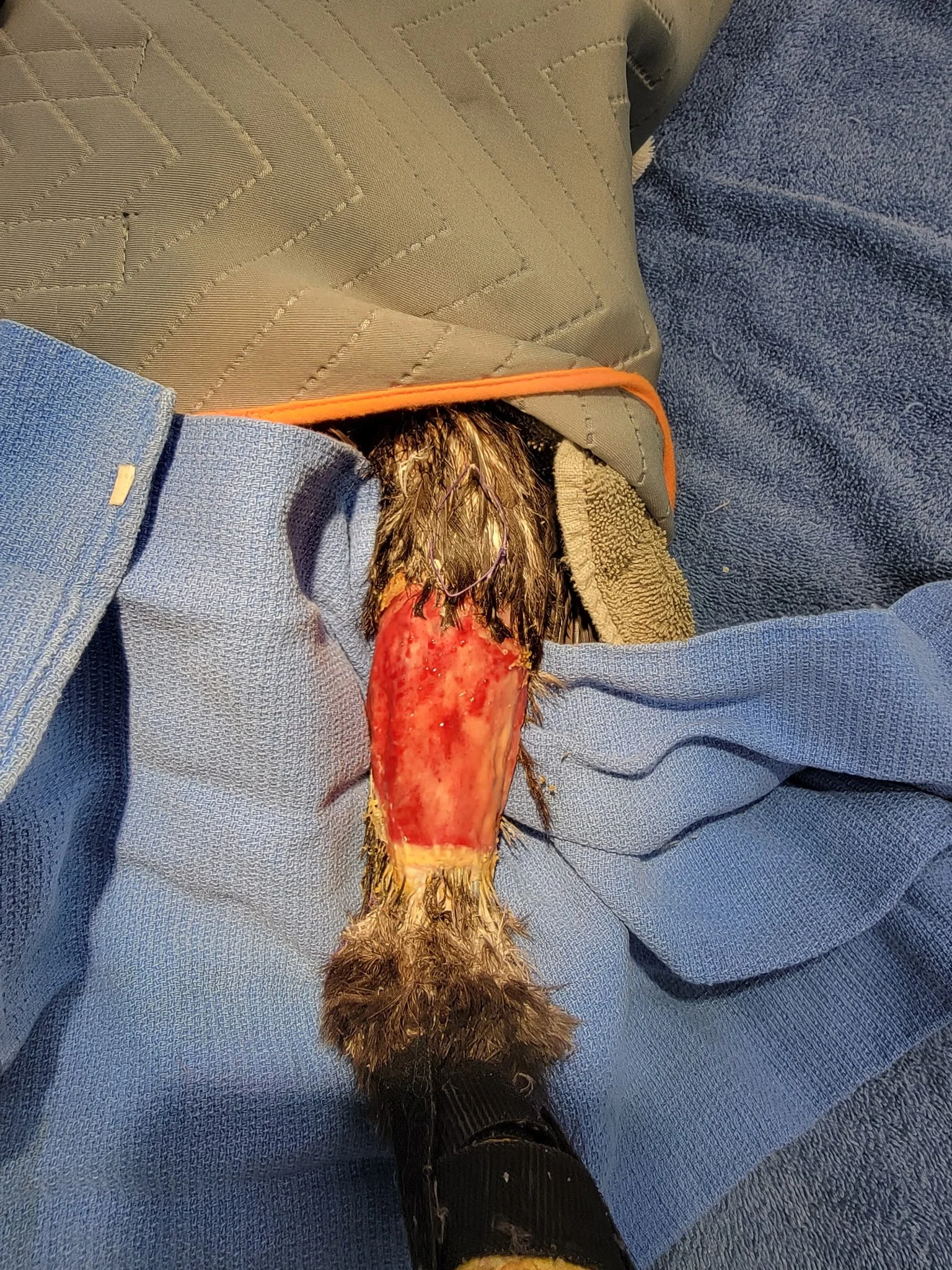
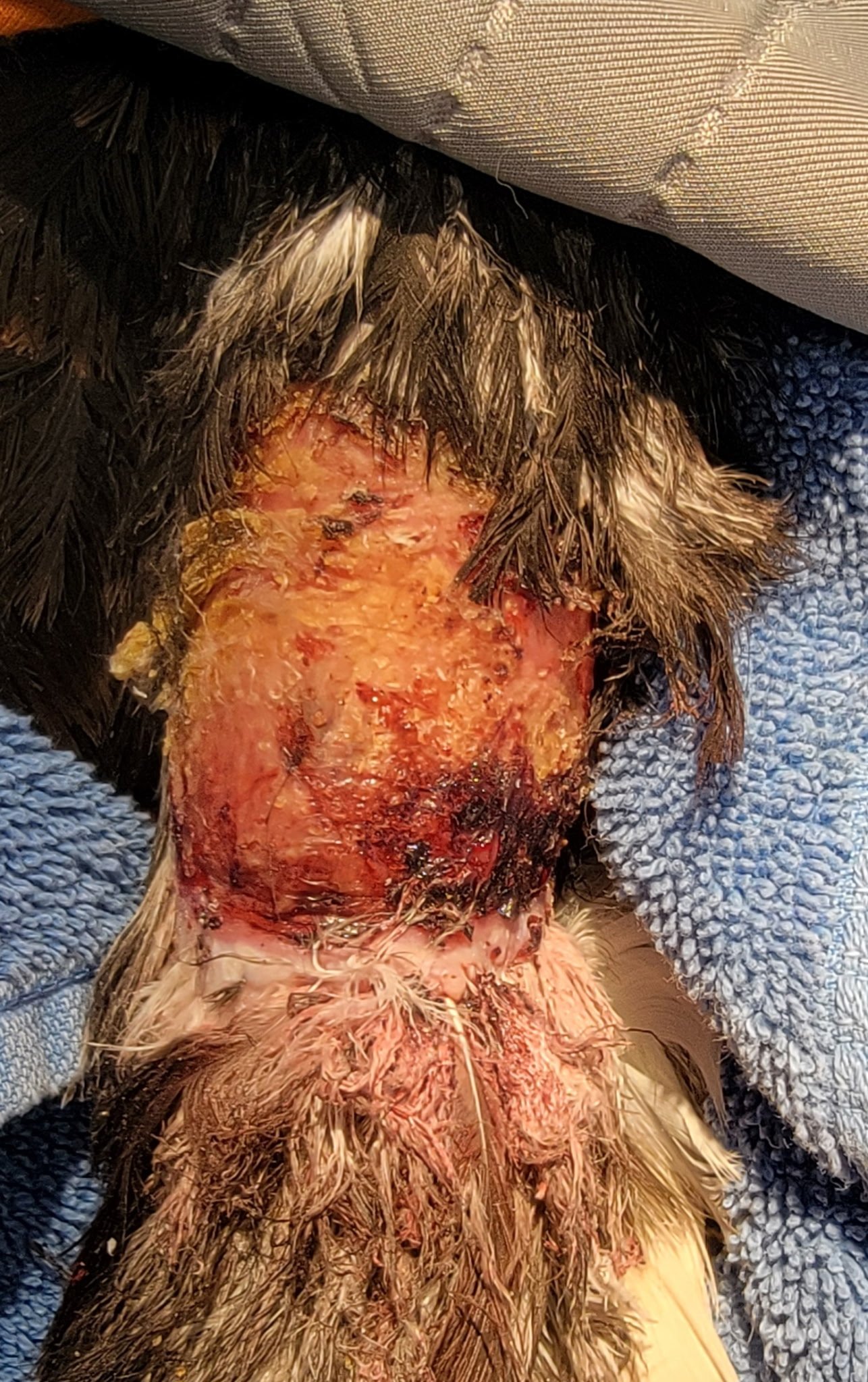
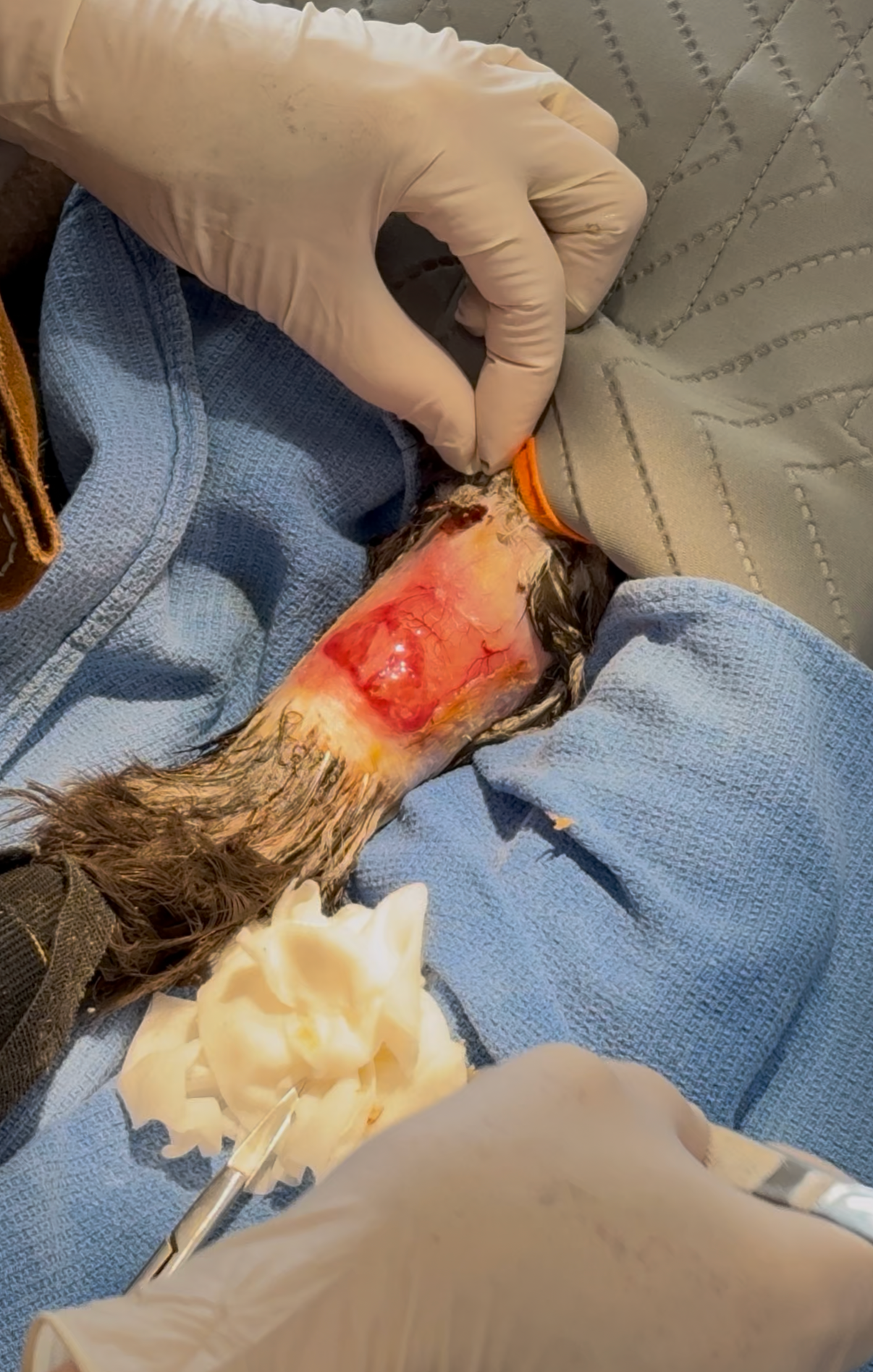
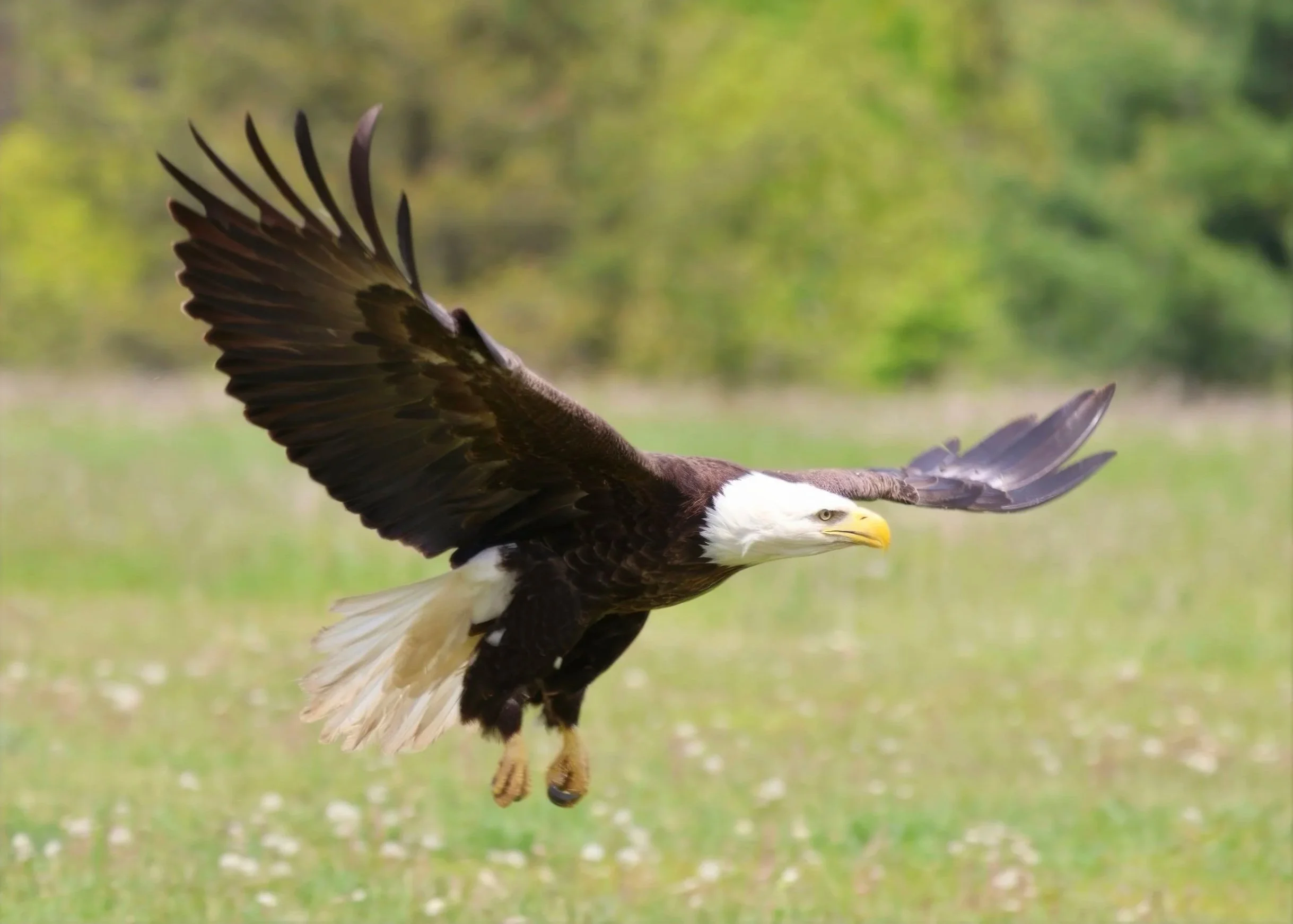
On June 22, 2025, Kere was released back into the wild, with two television stations capturing the moment. As she took flight, she flew directly toward and over Dr. Ammann, soaring upward in a powerful arc that was captured in one of the most memorable photographs of the day. Kere’s story received national attention, with coverage from Newsweek, The Guardian, and The Milwaukee Sentinel.
Since Kere’s recovery, other raptors have benefited from cod skin graft treatment, and veterinarians across the country are beginning to use this technique with their own patients. What began as a bold effort to save one eagle has helped pave the way for new treatment options that will save many more birds. One brave Bald Eagle—and one small hospital—helped change what is possible in raptor medicine.
Kere’s remarkable recovery was also featured in a short video produced by Kerecis, highlighting this groundbreaking collaboration. You can watch their story here.
Releasing Kere back into the wild was a bittersweet moment—celebrating her recovery while saying goodbye to a bird who had touched so many hearts along the way.